
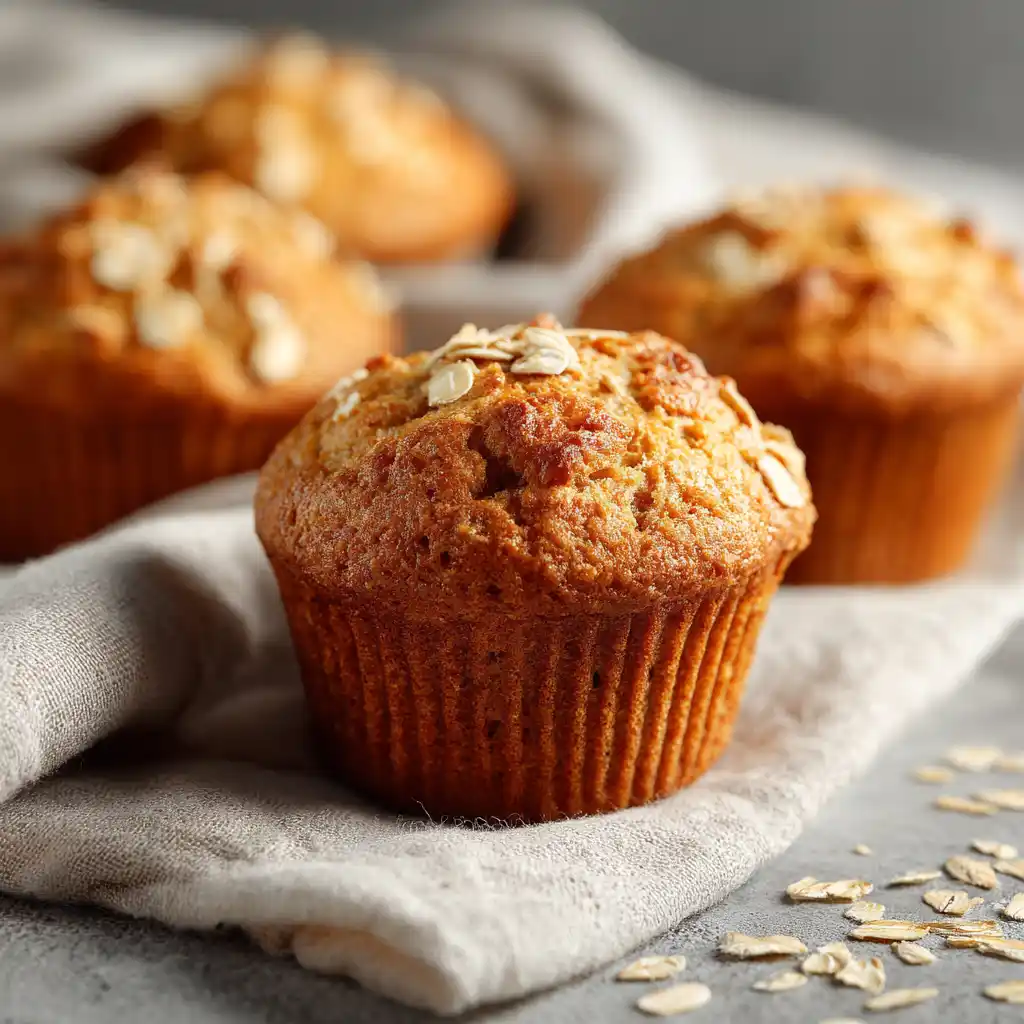
Finding something quick, satisfying, and actually healthy to start your day or power through the afternoon isn’t always easy. That’s where high protein gluten free muffins shine. They’re not just a treat, they’re fuel. These muffins pack quality protein, are gentle on digestion, and come together with simple, wholesome ingredients. Whether you’re dealing with gluten sensitivity or just trying to eat clean, this guide has everything you need. From smart ingredient swaps to a foolproof recipe, you’ll learn how to make high protein gluten free muffins that are both delicious and reliable. Ready to make your muffins work harder for you?
Table of Contents
Why High Protein & Gluten Free?
Protein-Packed Muffins Keep You Satisfied and Energized
What makes high protein gluten free muffins so special? It starts with how protein affects your body. Unlike sugar-laden pastries that leave you hungry an hour later, protein-rich muffins slow digestion and stabilize blood sugar. That means you stay full longer, and feel more energized. Whether you grab one on the way to work or after a workout, the protein helps prevent energy crashes and mid-morning cravings. It’s breakfast, snack, and post-gym fuel all rolled into one compact bite.
Skip the empty carbs and start using your muffins as a smart tool in your daily routine.
Why Gluten-Free Matters
For many, gluten-free isn’t just a trend, it’s a necessity. Gluten can cause bloating, brain fog, and digestive upset in sensitive individuals. That’s why baking high protein gluten free muffins is such a win: they’re easy to digest and give you the nutrients you need without the baggage of refined flour.
Gluten-free flours like almond or oat also bring bonus nutrition, healthy fats, fiber, and minerals you won’t get from traditional flour. When you mix those with protein-packed ingredients, you’ve got a muffin that not only tastes good but also supports your body’s needs.
High Protein Gluten Free Muffins

Equipment
- muffin tin
- mixing bowls
- whisk
- measuring cups
- spoon or scoop
- oven
Ingredients
- 2 cups almond flour
- 0.5 cup protein powder
- 0.25 cup sugar or 2 tbsp maple syrup
- 1 tbsp baking powder
- 0.75 cup milk (dairy or plant-based)
- 4 tbsp melted butter or avocado oil
- 2 large eggs
- 0.25 cup chia seeds (optional)
- 0.25 cup sliced almonds for topping (optional)
Instructions
- Preheat oven to 375°F (190°C) and line a muffin tin.
- Mix almond flour, protein powder, sugar, and baking powder.
- In another bowl, whisk eggs, milk, and melted butter.
- Combine wet and dry ingredients just until mixed.
- Fold in chia seeds if using. Spoon into muffin cups.
- Top with almonds if desired and bake for 20 minutes.
- Let cool for 10 minutes before removing from pan.
Notes
Key Ingredients for the Best High Protein Gluten Free Muffins
Choosing the Right Protein Sources
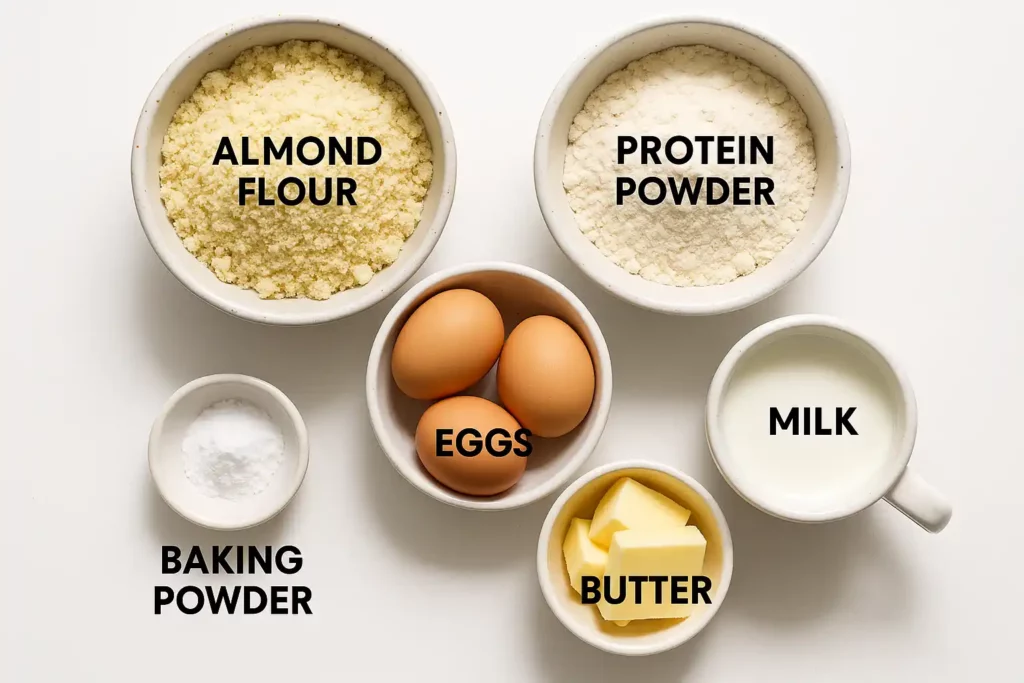
To get truly satisfying high protein gluten free muffins, your protein base matters. While protein powder is a go-to, it’s not your only option, and not all powders work the same in baking. Plant-based proteins like pea or hemp are thick and earthy, while whey protein creates a fluffier texture but may dry out your muffins if not balanced. Collagen peptides are nearly flavorless and blend well, making them great for a softer bite. Look for clean, unflavored or vanilla options for best results. Popular brands like Orgain (plant-based) or Vital Proteins (collagen) are excellent in baked goods.
Don’t forget natural protein sources. Greek yogurt adds moisture and protein, while eggs, almond flour, and rolled oats bring structure and balance, just like we do in our Snickers Protein Balls with Dates, which also rely on whole ingredients for clean energy.
The Gluten-Free Flour Foundation
To keep your high protein gluten free muffins light and fluffy, choosing the right flour blend is key. Almond flour is a powerhouse, it’s low carb, high protein, and naturally moist. Oat flour (certified gluten-free) offers a soft, hearty texture. Cassava flour is neutral but tends to be drier, so it’s best combined with other flours.
You can also use commercial 1:1 gluten-free baking blends. These mimic all-purpose flour and usually contain xanthan gum to help bind ingredients, great for beginner bakers. Just remember: gluten-free flours absorb moisture differently, so measuring carefully is essential.
Naturally Sweet and Balanced
Instead of refined sugars, ripe bananas, maple syrup, or applesauce give high protein gluten free muffins a natural sweetness and moist crumb. Bananas also add potassium, while applesauce cuts the need for excess fat. A drizzle of honey or maple gives just enough sweet without spiking your blood sugar.
Good Fats That Add Flavor and Function
Healthy fats are essential for texture and taste. Nut butters like almond or peanut provide richness and protein. Avocado oil or melted coconut oil keeps muffins moist without overpowering flavor. These fats also slow sugar absorption, keeping your energy levels stable.
The Perfect High Protein Gluten Free Muffin Recipe
Moist & Fluffy High Protein Banana Oat Muffins
These high protein gluten free muffins are your new go-to for busy mornings, post-workout fuel, or after-school snacks. They’re soft, satisfying, and packed with clean ingredients. Each muffin delivers about 8g of protein, 10g of healthy fats, and just the right touch of sweetness.
Yield: 10–12 muffins
Prep Time: 10 minutes
Cook Time: 20 minutes
Total Time: 30 minutes
Ingredients
- 2 cups almond flour
- ½ cup protein powder (vanilla or unflavored, plant-based or whey)
- ¼ cup sugar or use 2 tablespoons maple syrup
- 1 tablespoon baking powder
- ¾ cup milk (dairy or unsweetened almond)
- 4 tablespoons melted butter or avocado oil
- 2 large eggs
- Optional:
- ¼ cup chia seeds (added to the batter)
- ¼ cup sliced almonds (for topping)
Instructions
- Preheat your oven to 375°F (190°C). Line a muffin tin with parchment liners or lightly grease.
- In a large bowl, whisk together almond flour, protein powder, sugar, and baking powder.
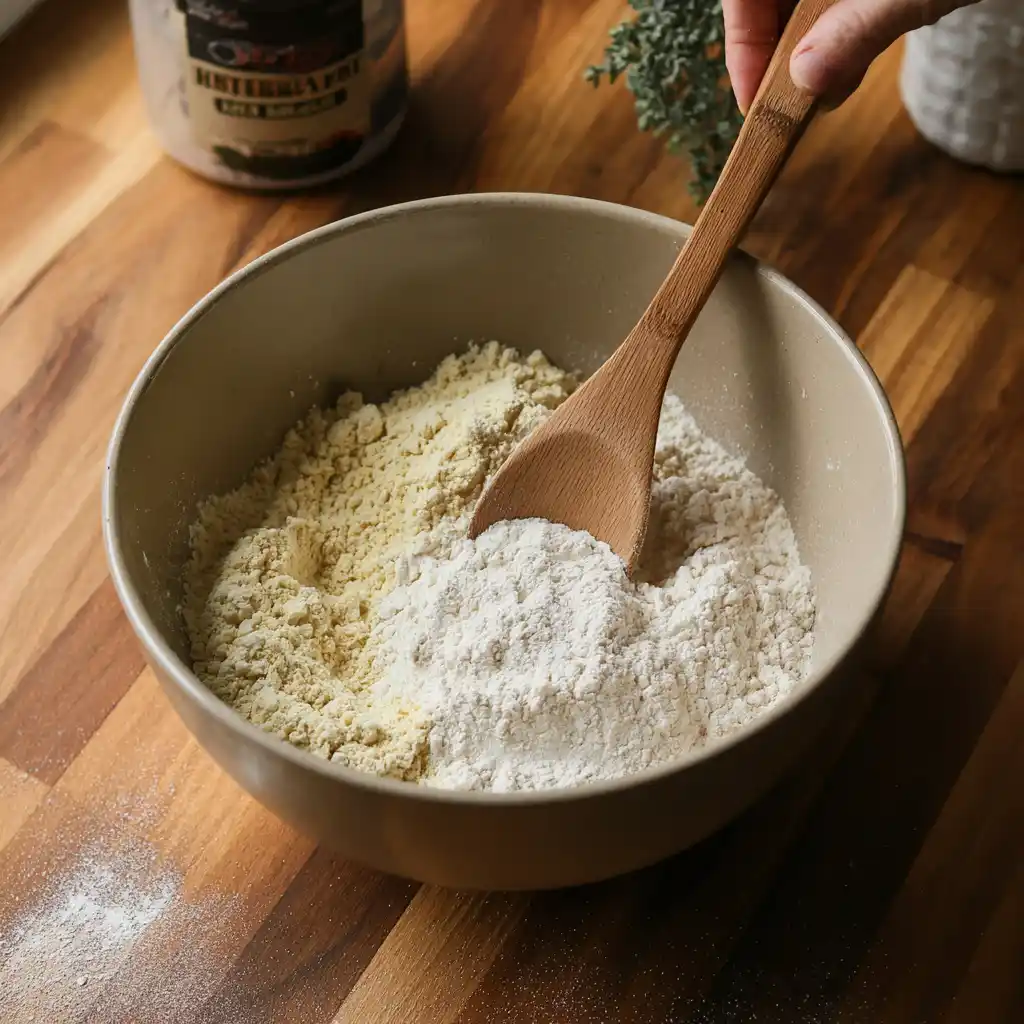
- In a separate bowl, beat the eggs, then add milk and melted butter. Stir well.
- Combine wet and dry ingredients until just mixed. Fold in chia seeds if using.
- Spoon batter evenly into muffin cups. Sprinkle sliced almonds on top if desired.
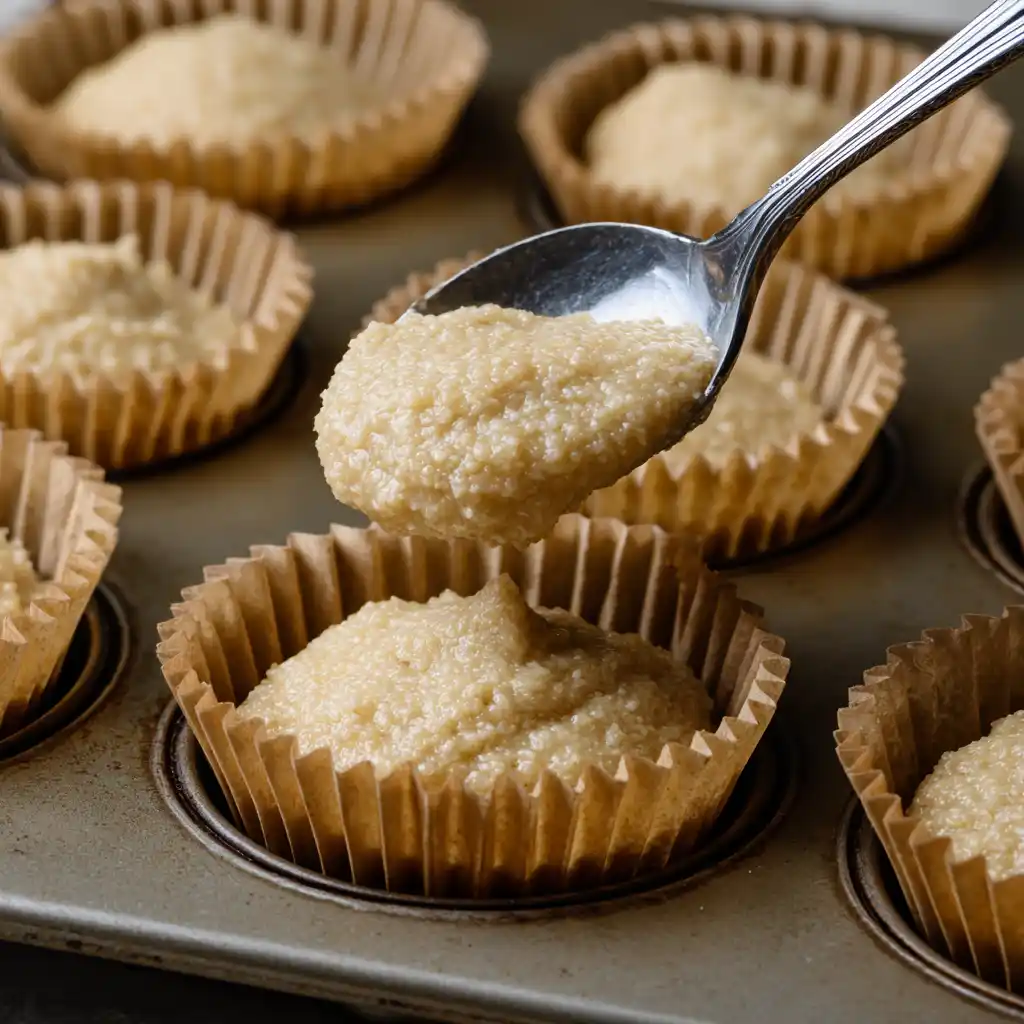
- Bake for 20 minutes or until a toothpick inserted in the center comes out clean.
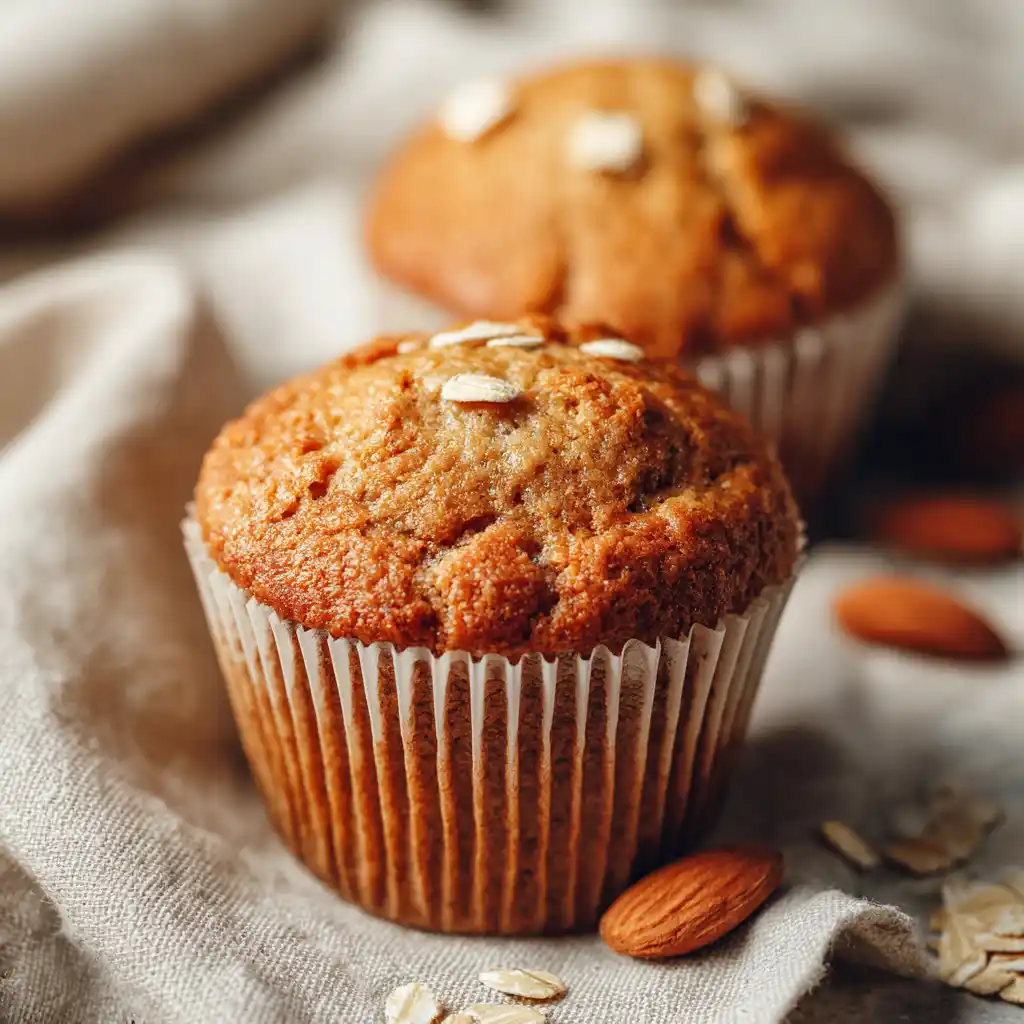
- Let cool for 10 minutes in the pan, then transfer to a wire rack.
Recipe Notes & Tips
- Don’t overmix the batter, this can make your muffins dense.
- Room temperature ingredients blend more evenly and rise better.
- Protein powders vary. If using whey, reduce milk slightly to avoid excess moisture.
- Check doneness at 18 minutes; baking time can vary by oven.
These high protein gluten free muffins freeze beautifully. Make a double batch, freeze half, and you’ve got healthy snacks for weeks.
Mastering Your Muffins: Tips, Variations & Troubleshooting
Tasty Variations to Keep It Interesting
One of the best things about high protein gluten free muffins is how adaptable they are. Once you master the base recipe, you can switch up the add-ins to fit your cravings or nutritional goals.
Want a bit of indulgence? Stir in a handful of dark chocolate chips (use dairy-free if needed). For a fruity twist, fold in fresh or frozen blueberries, raspberries, or diced apples. Chopped nuts like walnuts or pecans add crunch and healthy fats. You can even play with flavors, try a dash of cinnamon, pumpkin pie spice, or vanilla extract to bring depth.
Switching protein powders also creates a whole new flavor profile. Chocolate protein? Add cocoa powder and banana. Berry-flavored powder? Pair it with lemon zest and blueberries.
Troubleshooting Your Muffins: FAQ Style
Can I use whey protein instead of plant-based?
Yes, but whey is thinner and absorbs less liquid. If your muffins seem too moist, slightly reduce the milk or add a tablespoon of oat flour to balance the texture.
How can I make them vegan?
Swap eggs with flax eggs (1 tbsp flaxseed meal + 3 tbsp water per egg). Use a plant-based milk and yogurt. Stick with plant-based protein powder for structure and texture.
Why are my muffins dry or dense?
This usually comes from overmixing or too much protein powder. Measure flour and protein by weight when possible. Stick to room temp ingredients and mix only until combined.
Can I make them without protein powder?
Absolutely. Use Greek yogurt, extra almond flour, eggs, and chia seeds to create natural protein density in your muffins.
What’s the best way to measure ingredients?
Use a digital kitchen scale for accuracy. Especially with gluten-free flours and protein powder, even small variations can affect moisture and structure.
Make-Ahead Tips: Meal Prep & Storage Made Easy
One of the greatest perks of high protein gluten free muffins is how well they fit into a meal prep routine. They store beautifully and are quick to grab when you’re short on time.
Store muffins in an airtight container in the refrigerator for up to 5 days. For longer storage, freeze them individually wrapped, then place them in a zip-top freezer bag. When you’re ready to eat, reheat one in the microwave for 20–30 seconds or pop it in a toaster oven for a crisp edge and warm center. You’ll always have a ready-to-go snack or breakfast at your fingertips.
Conclusion
High protein gluten free muffins are the perfect mix of smart ingredients, convenience, and great taste. They support your health goals without sacrificing flavor or flexibility. Whether you’re baking a quick batch for the week or experimenting with new mix-ins, this recipe is a reliable, delicious staple. Give them a try and don’t forget to share your favorite combos!
Frequently Asked Questions
Are high protein gluten free muffins healthy for kids?
Yes! These muffins are loaded with protein and healthy fats, making them a great snack or breakfast option for kids. Just watch the added sugar and use nut-free variations for school safety.
What’s the best protein powder for baking muffins?
Unflavored or vanilla plant-based protein works best for even texture. Whey can be used, but adjust moisture to avoid dryness. Collagen peptides also work well and are virtually undetectable in flavor.
Can I make these nut-free and still gluten-free?
Definitely. Replace almond flour with oat flour or a nut-free gluten-free blend, and use sunflower seed butter instead of nut-based spreads.
How do I keep my muffins from sticking to the paper liners?
Use parchment-style liners or lightly grease the cups. Let muffins cool completely before peeling to reduce sticking.
this is a comment from canada
Bonjour
Yummy