
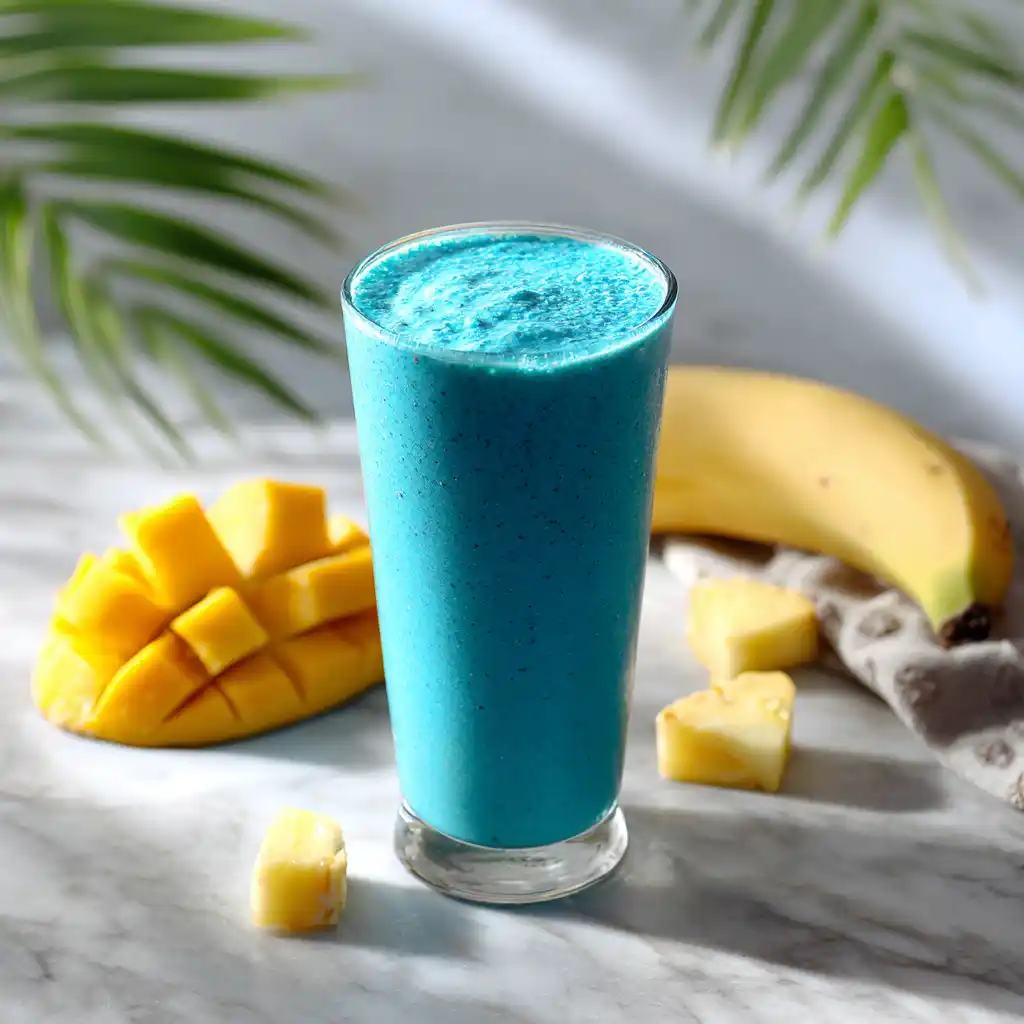

Blue spirulina smoothie is taking over social media, and for good reason. This gorgeous, ocean-blue drink isn’t just a feast for the eyes; it’s packed with health benefits, incredibly easy to make, and completely free of that classic “algae” taste. In this article, we’ll go beyond just a recipe. You’ll learn what makes this smoothie such a standout, how blue spirulina differs from its green cousin, the best ways to blend it, and tips to make it your new favorite breakfast or post-workout treat. Whether you’re a smoothie lover or a nutrition newbie, this guide covers everything you need.
Table of Contents
The Story & Intro
From Childhood Curiosity to Blue Spirulina Bliss
Growing up, my mornings often started with the hum of the blender and the smell of fresh fruit. Smoothies were our go-to for a quick, tasty breakfast before school. But never did I imagine I’d one day be blending bright blue smoothies, and loving them just as much for their beauty as their nutrition. The first time I tried a blue spirulina smoothie, I was amazed. It wasn’t just about color; it was smooth, slightly sweet, and didn’t have any of that fishy flavor I expected. That single glass sparked a new obsession with this vibrant superfood.
Why I Love Making Blue Spirulina Smoothies
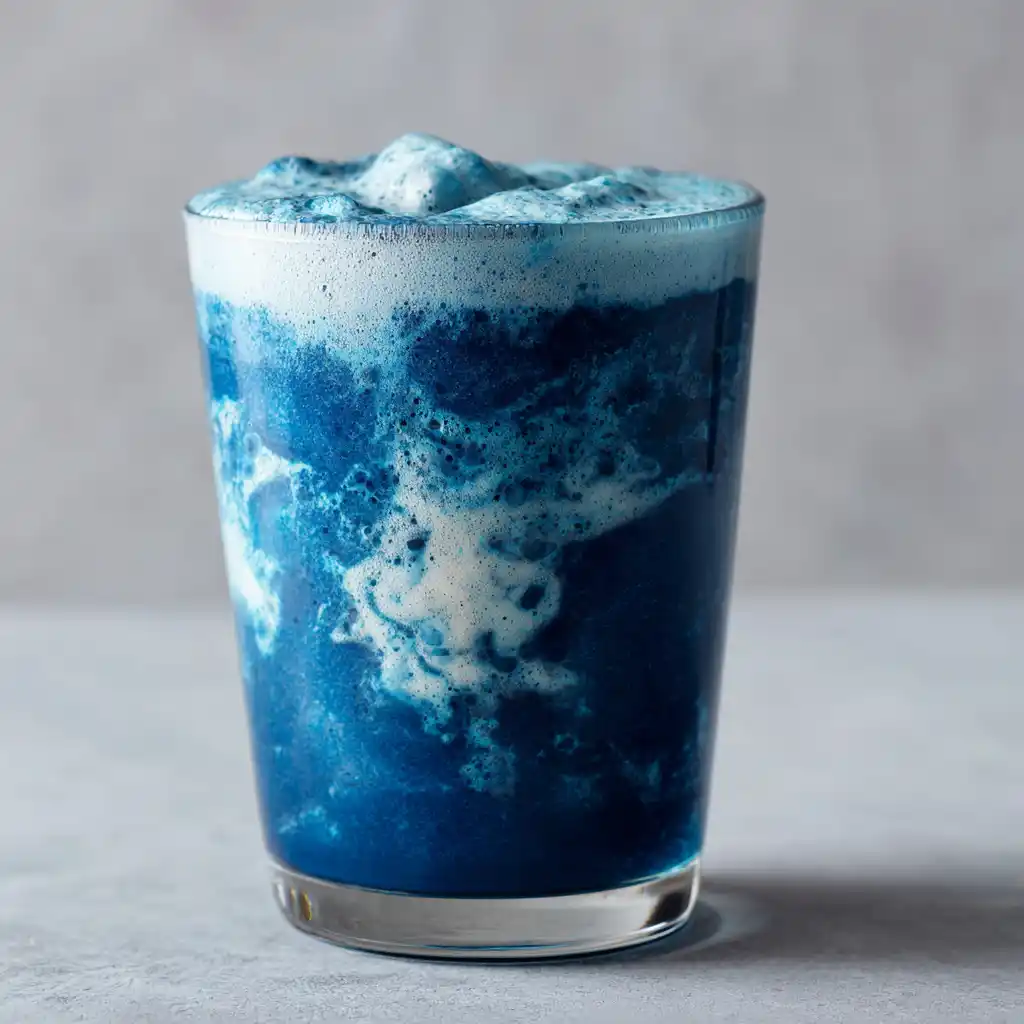
There’s something joyful about making a blue spirulina smoothie. It feels like you’re creating something special, even when it’s just a Tuesday morning. You toss in frozen banana, pineapple, mango, a little yogurt, and just a teaspoon of blue spirulina powder. In seconds, you’ve got something that looks like a tropical dream and tastes even better.
On my blog, I’ve shared other favorites like this creamy taro smoothie or our smoothies high in iron and protein, but the blue spirulina smoothie holds a special place for its color and taste. Whether you serve it in a chilled glass or turn it into a smoothie bowl, it always feels exciting. And the best part? It’s as nourishing as it is beautiful.
Blue Spirulina Smoothie
Ingredients
- 1 medium banana frozen in chunks
- ½ cup plain coconut yogurt divided
- ½ cup unsweetened soy milk or other plant milk
- ½ cup frozen mango
- ½ cup frozen pineapple
- 2 teaspoons almond butter
- 1 teaspoon blue spirulina powder
- ¼ cup ice optional
- Honey or maple syrup optional
Instructions
- 1. Cut the banana into chunks and freeze for at least 20 minutes.
- 2. Use a spoon to paint “clouds” inside your smoothie glass using half of the yogurt.
- 3. Add the rest of the yogurt, soy milk, almond butter, mango, pineapple, spirulina powder, and ice to the blender.
- 4. Blend on high for 30–60 seconds until smooth and thick.
- 5. Pour into your prepared glass and enjoy immediately or chill for later.
Notes
What is Blue Spirulina? Your Guide to This Superfood Pigment
What Exactly Is Blue Spirulina?
Blue spirulina is a pigment-rich extract made from Arthrospira platensis, a type of blue-green algae. Unlike green spirulina, which includes the entire algae biomass, blue spirulina is made by isolating a compound called phycocyanin, the bright blue antioxidant that gives this powder its signature color. It’s odorless, nearly tasteless, and perfect for vibrant smoothies. It dissolves well in liquids and doesn’t carry that earthy sea flavor many people associate with traditional green spirulina. That makes it ideal for people who want the nutritional benefits of spirulina without the strong taste.
Though it may seem trendy now, spirulina has a long history. It’s been harvested by various cultures, including the Aztecs, for centuries. Today, blue spirulina is gaining attention in wellness circles not just for its looks, but also its potential health perks.
Taste & Nutritional Difference: Blue vs. Green Spirulina
If you’ve ever tasted green spirulina, you probably remember its strong, grassy flavor. That’s one of the biggest differences with blue spirulina, it’s essentially tasteless. This makes it much easier to include in smoothies without overpowering the flavors of fruit, yogurt, or other ingredients.
Nutritionally, green spirulina is more complete. It’s rich in iron, B vitamins, copper, and essential fatty acids. Blue spirulina, while not as broad in nutrients, is highly concentrated in phycocyanin, a powerful antioxidant and anti-inflammatory compound. That’s the star of the show here. So if your goal is antioxidant power with a mild taste, blue spirulina is the better pick.
When shopping for it, look for brands that offer certified organic, lab-tested powders free of heavy metals or additives. Health food stores and online retailers like those specializing in clean supplements are good places to start.
Health Benefits of a Blue Spirulina Smoothie
An Antioxidant-Rich Super Smoothie
A blue spirulina smoothie isn’t just a pretty drink, it’s packed with serious health benefits. At the heart of its vivid color is phycocyanin, a natural antioxidant that helps protect your cells from damage caused by free radicals. This compound may support the immune system and reduce inflammation when included as part of a healthy routine. Combined with fruits like mango and pineapple, which are also loaded with vitamin C and fiber, this smoothie becomes a nutrient-rich, easy-to-digest option that fits into any wellness-focused lifestyle.
One of the best parts? The blue spirulina smoothie gives you all of this goodness without any added sugars. The natural sweetness from banana and tropical fruits makes it taste like a treat, even though it’s completely clean.
The active pigment phycocyanin found in blue spirulina is known for its antioxidant and anti-inflammatory properties. A study published by the NCBI shows that it helps protect cells from oxidative damage and supports immune and cellular health.
Balanced Nutrition for Energy and Wellness
The ingredients in a blue spirulina smoothie come together to offer a powerful mix of vitamins, minerals, and macronutrients. You get potassium from banana, healthy fats from almond butter, and plant-based protein from soy milk and yogurt. It’s a great choice for breakfast, a mid-morning snack, or even a light lunch. This blend supports sustained energy, thanks to the mix of complex carbs and protein, without the crash of sugary drinks.
A blue spirulina smoothie also helps keep you full longer. The fiber from fruit and the fat from almond butter create a satisfying drink that feels indulgent without being heavy. Whether you’re looking to boost your immune system, feel more energized, or just enjoy a delicious, colorful treat, this smoothie delivers. It’s no wonder so many people are making the blue spirulina smoothie part of their regular routine.
Ultimate Blue Spirulina Smoothie Recipe
Quick, Easy & Vibrant Every Time
This blue spirulina smoothie recipe is as easy as it is beautiful. With a few frozen fruits, your favorite plant-based milk, and a touch of almond butter, you can blend a creamy, satisfying smoothie that looks like it came straight from a tropical café. It’s ready in 5 minutes and makes one large or two smaller servings.
Yield & Prep Time
Prep Time: 5 minutes (plus freezing time for banana if needed)
Total Time: 5 minutes
Servings: 1 large or 2 small
What You’ll Need
- High-speed blender (for smoothest texture)
- Measuring cups and spoons
- Spoon or spatula
- Smoothie glass or bowl
Ingredients (with helpful notes)
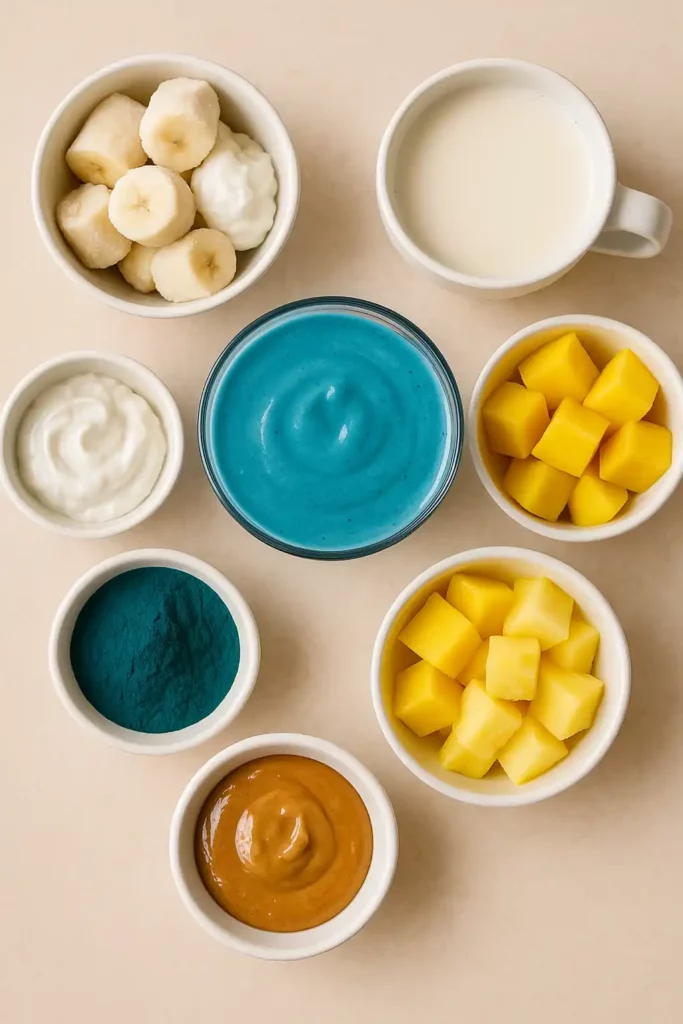
- 1 medium banana, cut into chunks and frozen, adds creaminess and natural sweetness
- ½ cup plain coconut yogurt, helps thicken the smoothie and supports gut health
- ½ cup unsweetened soy milk (or oat, almond), keeps it dairy-free and protein-rich
- ½ cup frozen mango, gives the smoothie a tropical sweetness
- ½ cup frozen pineapple, adds brightness and balances flavor
- 2 teaspoons almond butter, for healthy fats and satiety
- 1 teaspoon blue spirulina powder, creates the signature color and boosts antioxidants
- ¼ cup ice (optional), for extra chill and texture
- Honey or maple syrup (optional), only if you want a touch more sweetness
Step-by-Step Instructions
- Freeze the banana ahead of time if using fresh. At least 20 minutes is enough.
- Prep your glass by painting “clouds” inside using a spoon and half the coconut yogurt.
- Add ingredients to blender in this order: the remaining yogurt, plant milk, almond butter, fruits, spirulina, and ice.
- Blend on high for 30–60 seconds until thick and smooth. If needed, use a blender tamper or add a splash of water.
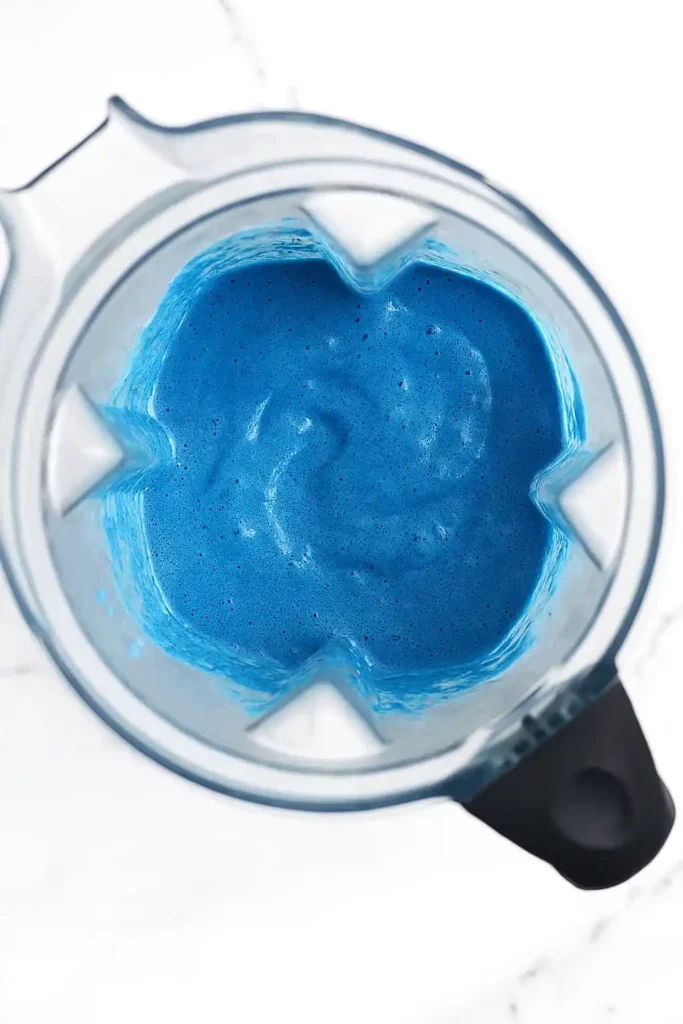
- Serve immediately and enjoy that stunning blue hue before it melts.
Nutritional Highlights (Per Serving)
Calories: 382 kcal
Carbs: 65g | Protein: 13g | Fat: 10g
Fiber: 8g | Sugar: 41g
Potassium: 911mg | Vitamin C: 95mg | Calcium: 361mg | Iron: 2mg
Notes
For the best texture, a high-powered blender like a Vitamix or Blendtec is ideal. However, a standard blender still works great, just blend a little longer. Store leftovers in a sealed jar in the fridge for up to 24 hours, though the color may fade slightly. This smoothie doesn’t freeze well, so drink it fresh for the best taste and texture.
Customizing Your Blue Spirulina Smoothie: Endless Possibilities
Toppings That Add Texture, Flavor, and Nutrition
One of the most fun ways to personalize your blue spirulina smoothie is with toppings. Whether you’re pouring it into a glass or turning it into a smoothie bowl, toppings add visual appeal, crunch, and extra nutrients. Go for fresh berries, banana slices, or kiwi for a juicy bite. If you like texture, granola, chopped macadamia nuts, or pumpkin seeds bring the perfect crunch.
Superfood lovers can sprinkle on chia seeds, hemp hearts, or flax for fiber and omega-3s. Even chocolate lovers aren’t left out, a few cacao nibs or dark chocolate chips give a subtle bitterness and antioxidant boost without overdoing the sweetness. Unsweetened shredded coconut adds a tropical flair and pairs beautifully with pineapple and mango.
Add-Ins for Flavor, Protein & Fun Twists
Want something nutty and fruity? You can swap in peanut butter and blueberries for a flavor combo like our blueberry banana peanut butter smoothie. It’s creamy, satisfying, and still lets that gorgeous blue shine through. You can also add almond or cashew butter for healthy fats, or a scoop of protein powder if you’re enjoying this smoothie post-workout.
Add a pinch of cinnamon or fresh ginger for a kick. If you want more greens, throw in spinach or kale, just be aware the color may shift to teal. Need to go banana-free? Use avocado or frozen zucchini instead. For a coconut-free version, simply swap in almond milk and a dairy-free yogurt of your choice.
Expert Tips & Troubleshooting for the Perfect blue spirulina smoothie
Blending Like a Pro: Tools & Techniques
To get the creamiest texture in your blue spirulina smoothie, start with the right blender. A high-powered model will break down frozen fruit with ease and mix the spirulina evenly. But if you’re using a standard blender, don’t worry, just layer your ingredients correctly: liquids first, then soft ingredients like yogurt and nut butter, then frozen fruits and powders. This helps the blades grab everything faster.
Use a tamper tool to push ingredients toward the blade without stopping. If your blender doesn’t have one, pause and scrape the sides down as needed. For an extra cold, thick result, freeze your serving glass or smoothie bowl for 5–10 minutes before pouring.
Common Issues and Easy Fixes
If your smoothie turns dull or greenish, chances are you’ve added dark-colored fruits or greens. Stick to light, neutral fruits (banana, mango, pineapple) to keep that bright blue hue. Want it darker? Add more blue spirulina powder, but don’t go overboard. Too much can make the texture gritty.
Too thick? Add a splash of plant milk or water. Too thin? Toss in a few ice cubes or more frozen fruit to thicken it up quickly. Taste feeling flat? A small dash of vanilla extract or a drizzle of maple syrup can make all the difference.
Smoothies are best fresh. But if you’ve got leftovers, store them in an airtight jar in the fridge and give them a shake before drinking. It’ll stay fresh for up to 24 hours, though the color may slightly fade.
One final trick: freeze your banana slices and yogurt in advance, then pop them into the blender frozen. It makes for a creamier, colder, and thicker smoothie without needing ice.
Conclusion: Your Gateway to Vibrant, Healthy Blending
Blue spirulina smoothie isn’t just trendy, it’s a colorful, delicious way to add antioxidants, vitamins, and a little joy to your daily routine. From its smooth texture and natural sweetness to its striking blue hue, this drink is more than just beautiful. It’s a quick, energizing option that supports wellness without any added sugars or artificial ingredients.
Whether you’re making it for breakfast, a snack, or even impressing guests, it’s a feel-good recipe worth keeping in rotation. Try it once and don’t be surprised if it becomes your new favorite smoothie. Have questions or your own version? Share it in the comments or tag your blend online!
Frequently Asked Questions (FAQs) about Blue Spirulina Smoothies
What exactly is blue spirulina?
Blue spirulina is a pigment-rich extract made from blue-green algae. It contains phycocyanin, the antioxidant compound responsible for its vibrant blue color. Unlike green spirulina, it’s tasteless and free of the strong algae flavor, which makes it perfect for smoothies.
Does blue spirulina taste like anything?
No, blue spirulina is virtually tasteless. That’s one of the reasons it’s so popular in smoothie recipes. You get the beautiful color and antioxidants without the earthy or ocean-like flavor that green spirulina is known for.
Is blue spirulina healthy or good for you?
Yes, blue spirulina is rich in antioxidants, especially phycocyanin, which supports your immune system and helps fight free radicals. When combined with whole fruits and plant-based ingredients, it becomes part of a nourishing, well-rounded meal or snack.
What’s the difference between blue and green spirulina?
Green spirulina is the whole algae and has a stronger nutritional profile but a very strong taste. Blue spirulina is just the antioxidant-rich pigment phycocyanin. It’s milder, tasteless, and more visually appealing, especially in smoothies.
Is this smoothie kid-friendly?
Absolutely. Kids love the color, and since blue spirulina is tasteless, they won’t notice it’s packed with nutrients. It’s a fun way to sneak in extra fruit and antioxidants without added sugar.