
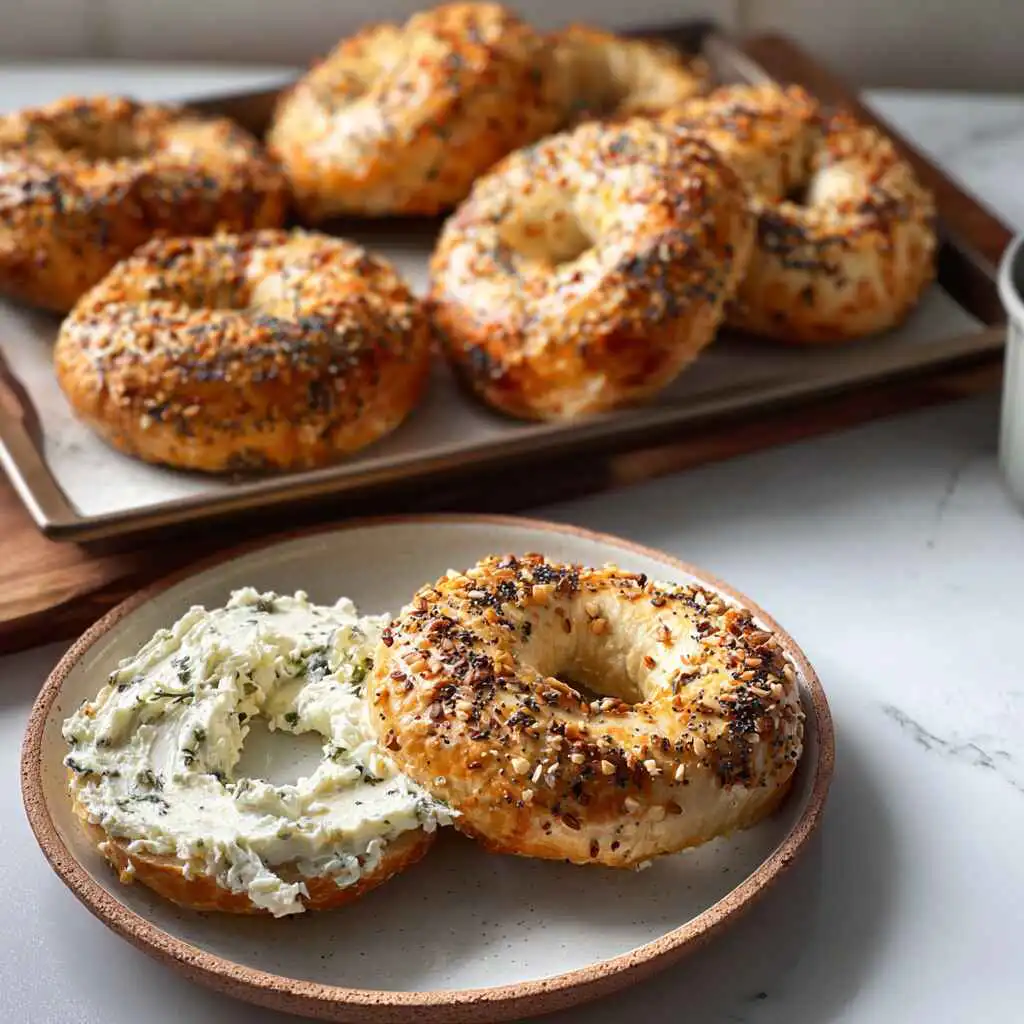
If mornings feel rushed but you still want something filling and healthy, high protein gluten free bagels are the perfect solution. As someone who avoids gluten but craves comfort food, I experimented for years before landing on a recipe that checks all the boxes. These bagels are packed with protein, simple to make, and taste incredible fresh or toasted. Whether you prefer baking in the oven or using an air fryer, you can enjoy a chewy, golden bagel in under thirty minutes. Today I’m sharing a full guide, from ingredients to storage, so you can make these your new breakfast go-to.
Table of Contents
Why High Protein Gluten Free Bagels Are the Perfect Breakfast
Why High Protein and Gluten Free Matter
Over the last few years, more people have turned to gluten free eating. Whether for celiac, sensitivity, or wellness, bread lovers had to find new options. That’s where high protein gluten free bagels step in. Unlike traditional bagels packed with carbs and little else, these are filled with balanced nutrition. By using ingredients like Greek yogurt and almond flour, they offer real energy and taste. With every bite, you get protein, healthy fats, and fiber all without gluten. These bagels are perfect for fueling your morning or powering you through the afternoon without a crash.
Many gluten free baked goods fall short on texture, but not these. High protein gluten free bagels have a soft interior and golden crust that holds up to any topping. You can adjust the recipe to fit your diet using oat flour, 1-to-1 baking blends, or almond flour. Add-ins like chia seeds or protein powder make them even more satisfying. Once you try them, you’ll see why they beat most store-bought options. You can also compare this with our original high protein bagel recipe to explore more texture or topping variations based on your protein preferences.
Benefits That Go Beyond Breakfast
These bagels do more than just fill a plate they support your daily nutrition goals. Packed with protein and made without gluten, they’re great for low calorie and high protein meal plans. Try them for lunch as a sandwich base or slice and toast for an afternoon snack. Since there’s no yeast, the recipe skips the rise time, making them fast and easy. High protein gluten free bagels can be made ahead, stored, and even frozen without losing taste or texture. They’re convenient, nourishing, and easy to love.
High Protein Gluten Free Bagels

Equipment
- mixing bowl
- parchment-lined baking tray
- spoon or spatula
- oven or air fryer
- wire rack
Ingredients
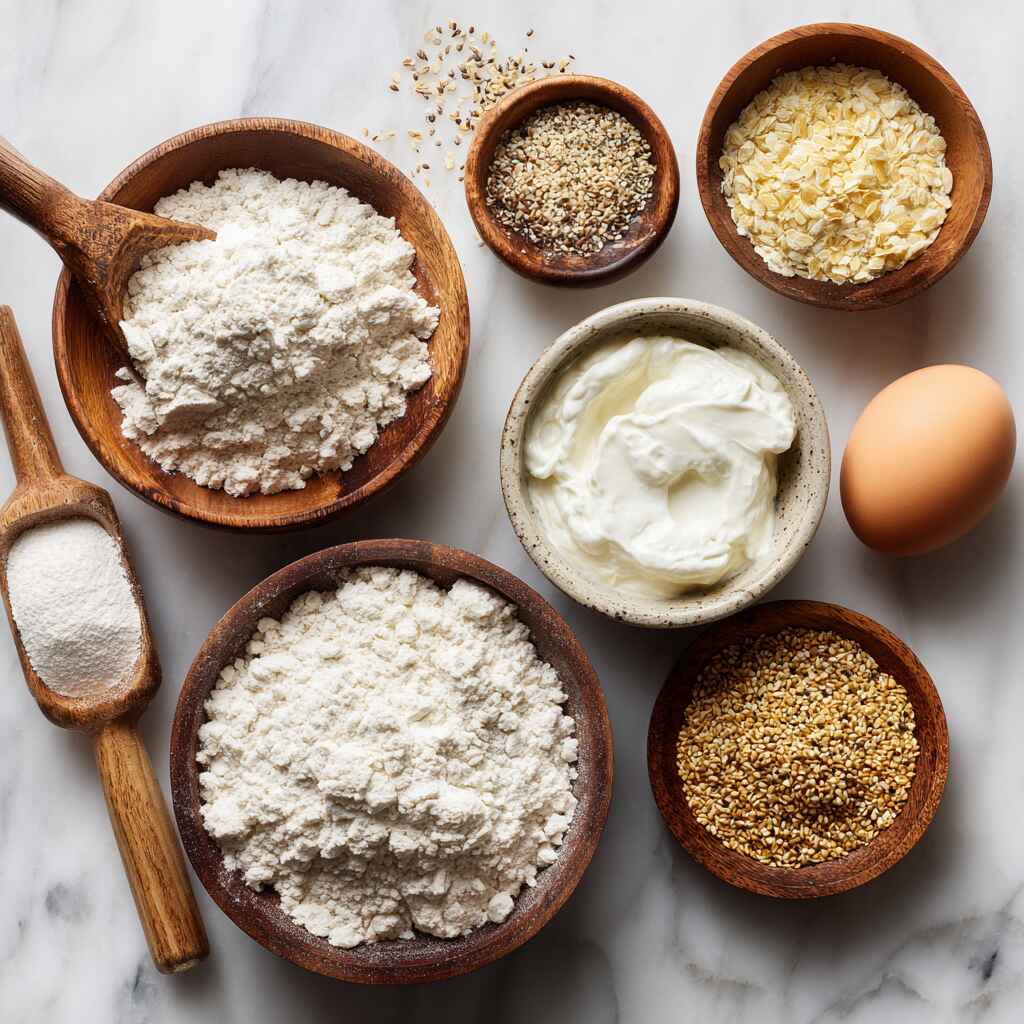
- 1 cup gluten free oat flour
- 1 cup Greek yogurt
- 1 ½ tsp baking powder
- ¼ tsp salt
- 1 egg or flax egg
- 2 tbsp protein powder (optional)
- sesame seeds or everything seasoning (topping)
Instructions
- Preheat oven to 375°F or air fryer to 330°F.
- In a bowl, mix flour, baking powder, and salt.
- Add Greek yogurt and egg. Stir until dough forms.
- Shape dough into 4–6 bagels by rolling into logs and sealing the ends.
- Place bagels on a parchment-lined tray.
- Brush tops with egg wash or oil.
- Add desired toppings such as sesame seeds or everything seasoning.
- Bake for 20–25 mins or air fry for 12–15 mins until golden.
- Cool on a rack before slicing and serving.
Notes
Step-by-Step Instructions for Perfect Results Every Time
How to Make the Dough with the Right Texture
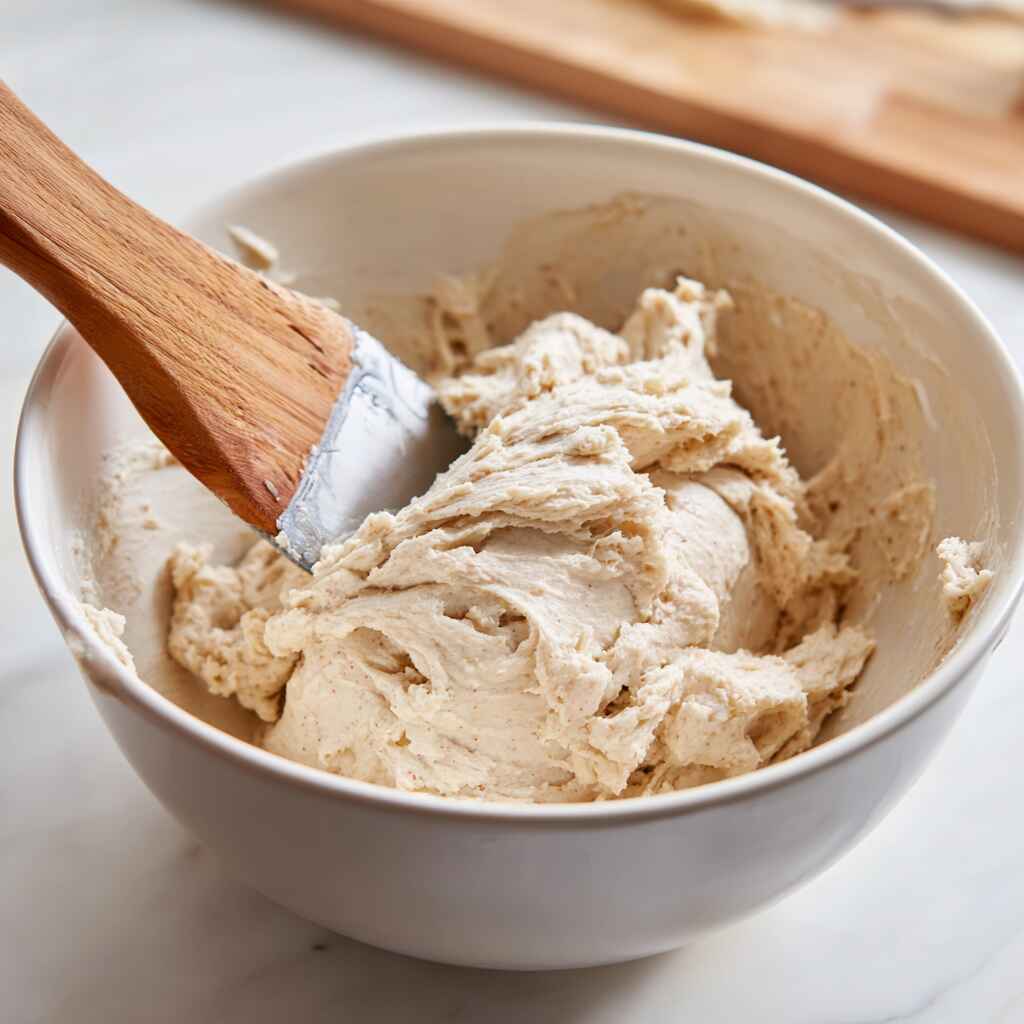
Making high protein gluten free bagels at home is easier than it sounds. Start by gathering your ingredients. You’ll need your gluten free flour of choice, baking powder, salt, and a solid protein source like Greek yogurt or cottage cheese. In a mixing bowl, whisk the dry ingredients together. Then add the wet ingredients and stir until a soft dough forms. It should be pliable but not sticky. If it’s too wet, sprinkle a bit of flour. If too dry, add more yogurt a spoonful at a time.
Once the dough is just right, divide it into equal portions. Roll each piece into a log, then shape it into a circle, pressing the ends together. Smooth the surface with damp fingers for a clean finish. These steps help make your high protein gluten free bagels hold their shape and bake evenly.
Oven and Air Fryer Methods That Work
For oven baking, preheat to 375°F. If using an air fryer, set it to 330°F. Brush each bagel with egg wash or dairy free milk mixed with oil to get a golden crust. Top with sesame seeds, poppy seeds, or seasoning blends for flavor and crunch.
Bake in the oven for 20 to 25 minutes until golden and firm. In the air fryer, cook for 12 to 15 minutes in batches. Let the high protein gluten free bagels cool on a rack to finish setting. This step locks in moisture and improves the texture.
Whether you bake or air fry them, these high protein gluten free bagels come out chewy, golden, and packed with flavor. They’re ideal for quick meals, healthy snacks, and make-ahead breakfasts with real nutritional value.
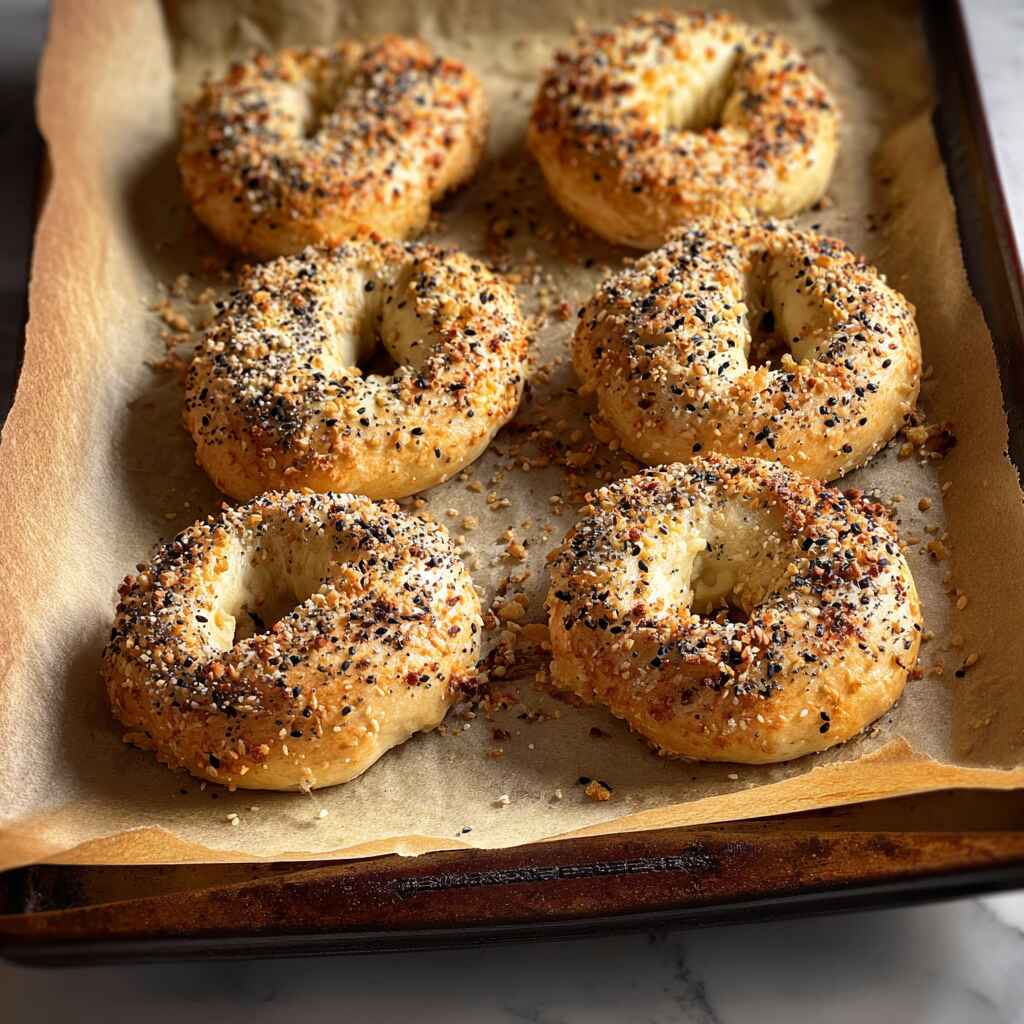
Step-by-Step Instructions for Perfect Results Every Time
How to Make the Dough with the Right Texture
Creating perfect high protein gluten free bagels starts with the dough. In a large bowl, combine your gluten free flour, baking powder, and salt. Stir to blend the dry ingredients evenly. Add your protein source Greek yogurt, cottage cheese, or a dairy-free option and mix until the dough begins to come together. It should be soft, pliable, and not too sticky. If it’s too wet, add a tablespoon of flour. If it crumbles, mix in a little more yogurt until the dough holds its shape.
Divide the dough into four to six equal pieces, depending on your preferred size. Roll each portion into a rope, then shape into a ring. Pinch the ends to seal and smooth the surface using damp fingers. This step ensures your high protein gluten free bagels bake with even color and rise properly.
Oven and Air Fryer Methods That Work
Preheat your oven to 375°F or your air fryer to 330°F. Place the shaped bagels on a parchment-lined tray. For a golden finish, brush the tops with egg wash or a dairy-free alternative like almond milk and olive oil. Sprinkle your favorite toppings such as sesame seeds or everything seasoning.
Bake the bagels in the oven for 20 to 25 minutes until golden brown and firm. In the air fryer, cook for 12 to 15 minutes in batches to avoid crowding. Once done, allow the high protein gluten free bagels to cool on a wire rack. This helps the centers finish cooking and keeps the texture just right.
With this method, your high protein gluten free bagels turn out beautifully every time. They’re chewy on the outside, soft inside, and loaded with protein to keep you full and satisfied.
Storage, Serving Ideas, and Troubleshooting Tips
Best Storage Practices for Freshness
Once your high protein gluten free bagels have cooled completely, store them correctly to maintain their texture. For short-term storage, keep them in an airtight container at room temperature for up to two days. If you plan to eat them later in the week, place the bagels in the fridge where they stay fresh for up to five days. Always let them cool fully before sealing to prevent condensation from softening the crust.
For longer storage, wrap each bagel individually in plastic wrap or parchment paper and place them in a freezer-safe bag. Stored this way, your high protein gluten free bagels can last up to two months. When ready to eat, you can pop one straight from the freezer into the toaster or oven. No need to thaw in advance.
Creative Serving and Easy Fixes for Common Problems
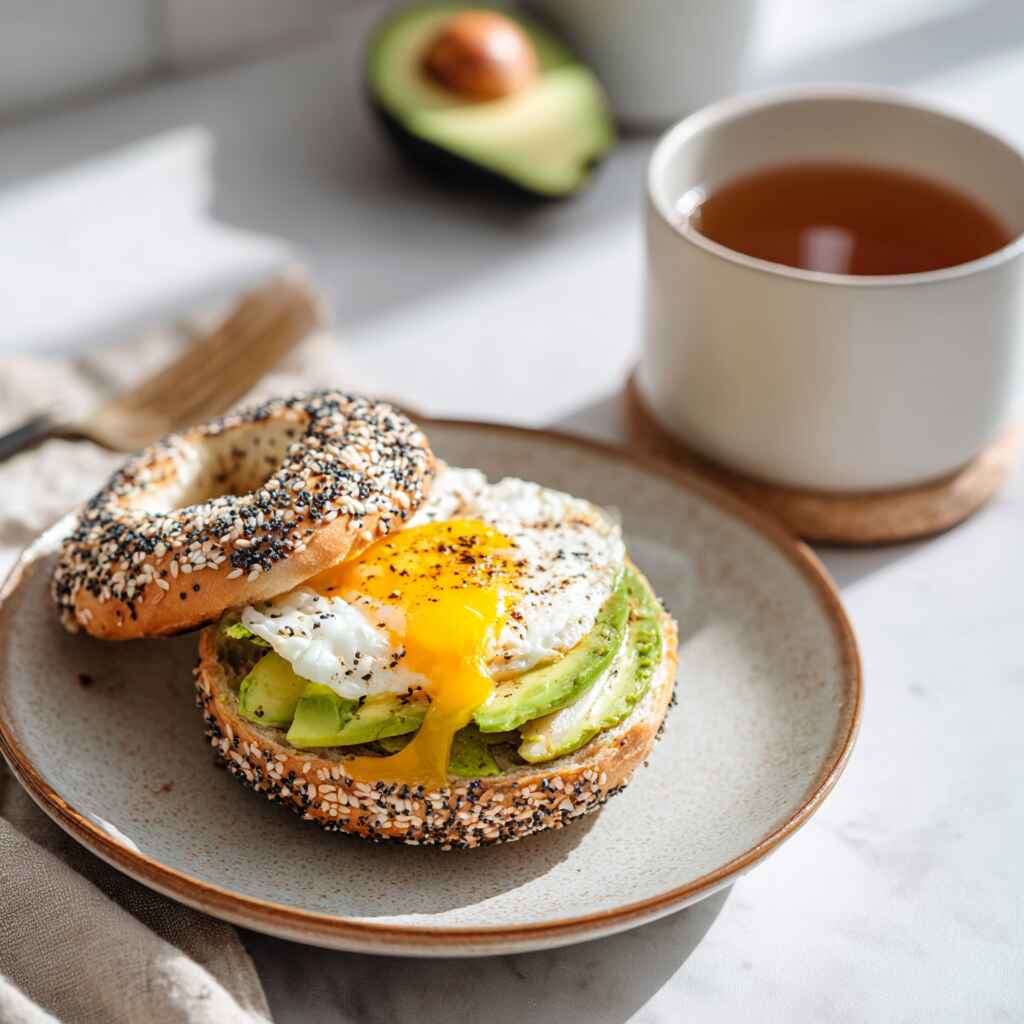
These bagels fit into every part of the day. Serve them warm with avocado and a boiled egg for breakfast, or slice them in half and use them to build a high protein sandwich for lunch. They even work well toasted with almond butter or cream cheese. Because they hold up to toppings, you can get creative with both sweet and savory flavors.
If the dough turns sticky, dust it with a bit more flour to balance the moisture. A dry dough may need an extra spoon of yogurt. If your high protein gluten free bagels bake too dense, try mixing the dough less or double-checking the freshness of your baking powder. Uneven browning in an oven can be solved by rotating the tray halfway through baking.
With the right adjustments, these high protein gluten free bagels will come out just the way you like them every time. They’re a dependable choice for prepping ahead, staying nourished, and enjoying real food with real ingredients.
Conclusion
High protein gluten free bagels offer a simple and tasty solution for anyone looking to boost their protein intake without sacrificing flavor or texture. With no yeast, no boiling, and no long wait times, you can have warm, homemade bagels in under thirty minutes. The flexibility of ingredients lets you customize for dietary needs, and the make-ahead options make them perfect for busy schedules. Whether you’re new to gluten free baking or already love cooking with alternative flours, this recipe delivers real results that you’ll want to make again and again.
Frequently Asked Questions (FAQ)
Q1: Are these bagels really high in protein?
Yes. The main ingredient is Greek yogurt, which is naturally rich in protein. Each bagel offers a solid protein boost that supports energy, muscle repair, and keeps you full longer.
Q2: Are these truly gluten-free?
Yes. The recipe uses certified gluten-free flour, making it safe for those with celiac disease or gluten sensitivity. Always check labels to make sure your flour mix is labeled gluten-free.
Q3: Can I make these ahead of time?
Yes. These high protein gluten free bagels store well for several days. See the storage section for tips on refrigeration and freezing to keep them fresh.
Q4: Do I need to boil these bagels?
No. That’s the beauty of this recipe. There’s no need for boiling. Just bake them straight in the oven and still get a golden, chewy finish.
Q5: Can I use different flours like almond or coconut?
Yes, but results may vary. Almond flour adds moisture and richness but can make the dough softer. Coconut flour is very absorbent and usually needs extra liquid or eggs. Start with a mix or experiment in small batches.
Q6: How long do these last?
At room temperature, they stay fresh for up to two days. In the fridge, they last about five days. You can freeze them for up to one month. Always cool completely before storing.
Q7: What’s the best way to reheat them?
For the best texture, slice and toast them. You can also warm them in the oven for a few minutes. Avoid microwaving, as it can make them rubbery or soggy.