
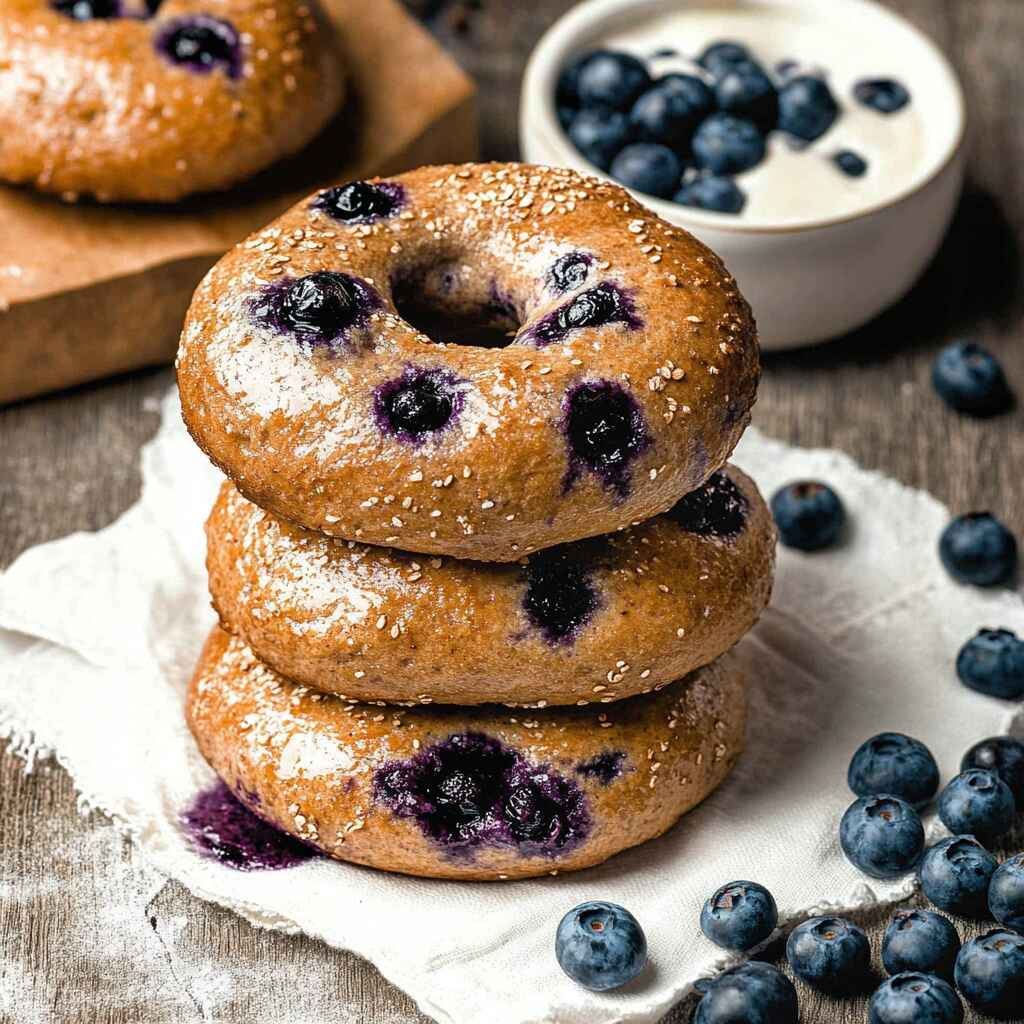
Gluten free blueberry bagels have become a comforting weekend ritual in my kitchen. Growing up, the smell of freshly baked blueberry bagels meant a cozy morning with family, all gathered around the table. After going gluten-free, I longed for that familiar taste and texture. So I began testing a recipe that captures everything I loved, soft, chewy dough and sweet bursts of blueberry. This guide to blueberry bagels walks you through every step to make gluten free blueberry bagels at home, without sacrificing flavor or texture. If you’re looking for a satisfying breakfast or snack, these homemade bagels are just what you need.
Table of Contents
Gluten Free Blueberry Bagel Recipe That Works Every Time
The Secret to the Perfect Gluten Free Dough
The foundation of any great gluten free blueberry bagels recipe lies in the dough. Traditional bagels rely on gluten for structure and chew, so gluten-free alternatives need the right blend. A mix of gluten-free flour, tapioca starch, and xanthan gum gives the dough flexibility and softness. Warm water activates the yeast, and a spoon of maple syrup feeds it, helping the dough rise naturally. The dough should be smooth but slightly sticky that’s a good sign when working without gluten.
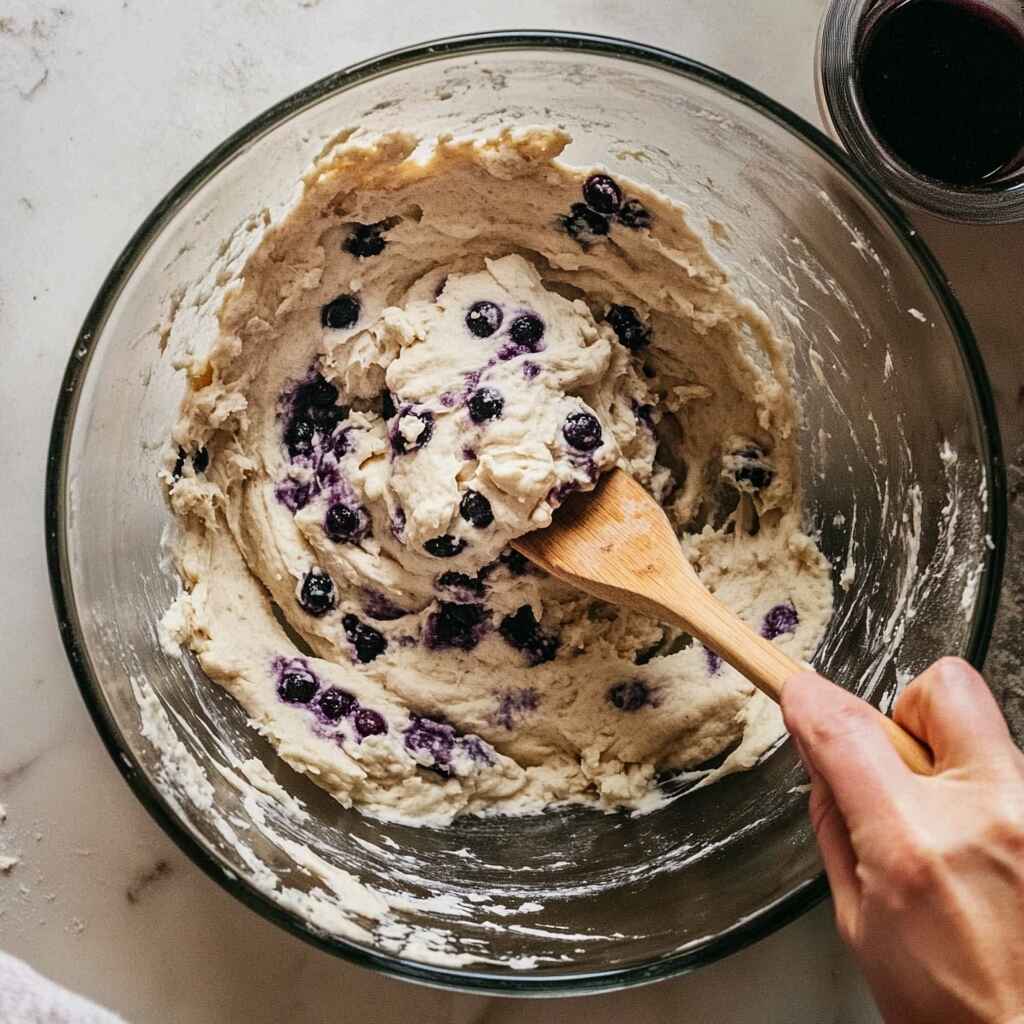
Let the dough rise until doubled. This step gives the bagels their light but chewy texture. Then comes the fun part: fold in blueberries. Dried ones are sturdy for baking, while fresh ones give juicy pops in every bite. Either way, they elevate the flavor of these blueberry gluten free bagels to something truly special.
Boiling + Baking = Classic Bagel Texture
To get that signature bagel bite, boiling is a must. Gently drop your shaped dough rings into boiling water with a touch of sugar or honey for shine. Give each side about 45 seconds. This step locks in the chewy crust that makes gluten free blueberry bagels feel authentic.
After boiling, bake at 425°F until golden. The bagels puff slightly, and the berries caramelize at the edges. Let them cool just enough to handle then dig in. Enjoy them fresh with your favorite spread, or freeze a few for quick breakfasts throughout the week. You’ll never feel like you’re missing out with these flavorful blueberry gluten free bagels on your table.

Gluten Free Blueberry Bagels

Equipment
- large bowl
- hand or stand mixer with paddle
- slotted spoon
- baking sheet
- parchment paper
- wire rack
Ingredients
- 2 ½ cups gluten-free all-purpose flour with xanthan gum
- ½ cup tapioca starch
- 1 tbsp active dry yeast
- 1 tbsp maple syrup
- 1 tsp salt
- 1 cup warm water (110°F)
- ¾ cup fresh or dried blueberries
Instructions
- In a large bowl, combine warm water, yeast, and maple syrup. Let sit for 10 minutes until foamy.
- Add gluten-free flour, tapioca starch, and salt. Mix until a sticky dough forms.
- Cover and let rise in a warm place for 1 hour or until doubled in size.
- Gently fold in blueberries without crushing them.
- Divide dough into 6 equal pieces and shape into bagels.
- Let shaped bagels rest for 15 minutes.
- Boil water in a large pot and gently drop bagels in, 2 at a time, for 45 seconds per side.
- Remove with slotted spoon and place on parchment-lined baking sheet.
- Bake at 425°F for 20–22 minutes or until golden brown.
- Cool on a wire rack before slicing and serving.
Notes
Troubleshooting & Tasty Twists for Gluten Free Blueberry Bagels
Avoid These Common Gluten-Free Bagel Mistakes
Even with a solid gluten free blueberry bagel recipe, it’s easy to run into a few hiccups. The most common issue is dense, heavy dough. This usually happens when there’s not enough moisture or the yeast hasn’t activated properly. Always use warm (not hot) water, and let the dough rise in a draft-free, slightly warm environment. It should nearly double in size before shaping.
Another mistake is skipping the boiling step. This part isn’t just tradition it gives bagels that chewy skin and signature texture. Without it, your bagels will bake more like buns. Timing is also important. Overboiling can lead to a gummy texture, while underboiling results in a soft crust. Stick to about 45 seconds per side for the best balance.
Be gentle with fresh blueberries. Too much mixing can burst them, turning the dough gray and messy. Fold them in carefully after the first rise. And finally, always bake your bagels in a preheated oven. High heat gives them that golden exterior while keeping the inside soft and tender.
Mastering these techniques ensures your gluten free blueberry bagels will be bakery-worthy every single time.
Flavor Variations That Keep Things Interesting
Once you’ve nailed the basic gluten free blueberry bagel recipe, the fun begins. These bagels are incredibly versatile. If you’re in the mood for a citrusy twist, add lemon zest to the dough. It brings out the blueberry flavor in a bright, refreshing way. You can even brush the tops with a lemon glaze after baking for an extra burst of zing.
Want more texture? Mix in chopped almonds, walnuts, or sunflower seeds for a crunchy surprise. Cinnamon lovers can add a teaspoon of ground cinnamon or a cinnamon-sugar topping for a warm and cozy version of these gluten free blueberry bagels.
For a heartier bagel, try using a combination of gluten-free oat flour and sorghum flour along with your all-purpose blend. This adds a wholesome, earthy flavor that pairs beautifully with the sweetness of blueberries.
Feeling creative? Try shaping mini bagels for snacks or kid-friendly bites. You can also turn the same dough into blueberry bagel bites stuffed with a spoonful of dairy-free cream cheese. They bake quickly and are perfect for lunchboxes or weekend brunches.
These variations prove that gluten free blueberry bagels aren’t just for breakfast they can fit any mood, season, or craving. Best of all, they’re easy to customize without needing complicated ingredients or extra steps.
Tools, Flours, and Tips to Bake the Best Gluten Free Blueberry Bagels
Must-Have Tools for Gluten Free Bagel Success
Making gluten free blueberry bagels at home doesn’t require fancy gadgets, but a few reliable tools can make the process smoother and more enjoyable. Start with a sturdy mixing bowl and a hand or stand mixer. Gluten-free dough is typically stickier than traditional dough, so mixing it well is essential. A paddle attachment works better than dough hooks for this kind of mixture.
A kitchen scale is another must. When working with gluten free flours, measuring by weight ensures accuracy and consistency. Even small variations in flour can affect how the dough comes together.
You’ll also need a slotted spoon or spatula for boiling the bagels without splashing. Parchment paper helps prevent sticking during baking, and a baking sheet or pizza stone gives the bagels that firm bottom crust. Some bakers also use a silicone bagel mold to help with shaping, but it’s completely optional.
These tools help support the structure and texture of your gluten free blueberry bagels, making the baking process efficient and fuss-free.
Flour Matters: Choosing the Right Gluten Free Blend
The most important ingredient in any gluten free blueberry bagel recipe is the flour. Not all blends are equal. Look for a high-quality gluten-free all-purpose flour that contains xanthan gum or guar gum. These binders mimic gluten’s elasticity and help hold the dough together.
For added softness, combine your main flour with a small amount of tapioca starch or potato starch. These ingredients help create a light and chewy interior. Brown rice flour and sorghum flour can add body and a mild nutty flavor, which works beautifully with the sweetness of blueberries.
If you’re experimenting with homemade blends, aim for a balance of protein and starch. A 60/40 ratio (flour to starch) often yields the best results. Keep your flours fresh by storing them in an airtight container in a cool, dry place.
When you use the right flour mix and follow the boiling and baking method carefully, you’ll get gluten free blueberry bagels that hold their shape, slice cleanly, and taste amazing every time.
To keep your bagels soft for days, store them in a sealed bag at room temperature for up to two days. For longer storage, freeze them individually and toast before serving. This keeps them tasting fresh and prevents them from drying out or becoming overly chewy.
Health Benefits and Storage Tips for Gluten Free Blueberry Bagels
Are Gluten Free Blueberry Bagels a Healthy Option?
When made at home, gluten free blueberry bagels can be a wholesome and satisfying addition to your breakfast. You have full control over ingredients, making it easier to keep sugar and additives low while adding nutritional value. Blueberries bring antioxidants, fiber, and vitamins, and when paired with gluten-free whole grain flours, the result is both delicious and digestible.
For a natural flavor boost, consider spreading your freshly baked bagels with a fruit preserve like a homemade blueberry jam. One of my favorites is a sweet and floral blueberry and lavender jam that brings a soothing, gourmet touch without added sugars or artificial ingredients. It’s the perfect companion to a warm, chewy bagel, especially for brunch or a slow morning.
Even without toppings, gluten free blueberry bagels offer a balance of energy and comfort that works well for most diets. Whether you’re following gluten-free for health reasons or simply looking to eat more intentionally, these bagels are a flavorful and practical choice.
Smart Storage Keeps Bagels Fresh and Delicious
Freshly baked gluten free blueberry bagels are best enjoyed within the first two days. After cooling, store them in an airtight bag or container at room temperature. To prevent them from drying out, wrap each bagel in a paper towel before sealing. If you won’t finish the batch within a couple of days, freezing is the way to go.
Place cooled bagels in a single layer on a baking sheet and freeze for 1–2 hours. Then transfer them to a freezer bag, squeezing out as much air as possible. This method keeps the bagels from sticking together and makes it easy to grab one at a time.
When ready to eat, simply thaw at room temperature or toast directly from frozen. They’ll taste just as good chewy, warm, and packed with blueberry flavor. Whether you’re planning breakfasts for the week or prepping for guests, these tips help ensure your gluten free blueberry bagels stay bakery-fresh, even days later.
You can also slice them before freezing to make toasting quicker in the morning. That little step saves time and gives you a fast, satisfying start to your day with no compromises on flavor or nutrition.
Conclusion
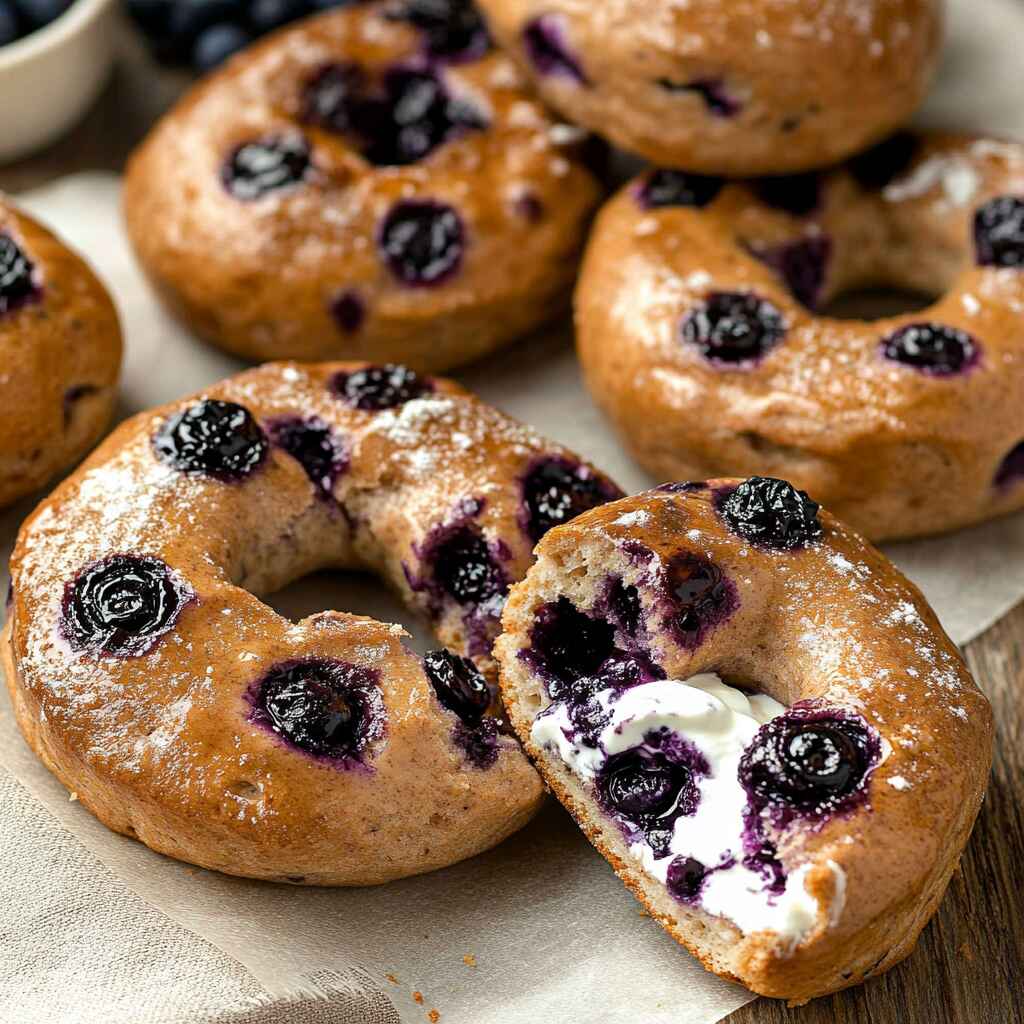
If you’ve been craving that warm, chewy comfort of a fresh bagel without the gluten, these gluten free blueberry bagels are your perfect solution. Soft on the inside, golden on the outside, and bursting with juicy blueberries, they offer everything you love in a bagel minus the gluten. Whether you’re gluten-sensitive or just looking for a homemade baking win, this recipe delivers every time.
From mixing the dough to slicing your first warm bagel, the process is as enjoyable as the result. With tips on storage, flavor add-ins, and troubleshooting covered, you’re fully prepared to make bakery-quality blueberry bagels at home. Now that you’ve baked your first batch of gluten free blueberry bagels, the only thing left to decide is: will you top them with cream cheese, almond butter, or a drizzle of honey?
Frequently Asked Questions About Gluten Free Blueberry Bagels
What are the best gluten-free bagels?
The best gluten-free bagels are the ones you make at home. With the right flour mix and simple techniques, homemade versions often taste fresher and have a better texture than pre-packaged options. Gluten free blueberry bagels are especially popular for their balance of sweet fruit and chewy bite.
Why are some gluten-free bagels no longer available in stores?
Many gluten-free items rotate seasonally or may be discontinued without notice, making it harder to rely on store-bought options. That’s why homemade gluten free blueberry bagels are such a great alternative. You can make them anytime and tailor the ingredients to your needs.
Can you find gluten-free bagels with fruit in stores?
You might occasionally find gluten-free bagels with added fruit like blueberries, but they’re often limited in variety and availability. Creating your own gluten free blueberry bagels gives you full control over taste, freshness, and quality without having to search multiple shelves.
Are blueberry bagels usually gluten-free?
Most blueberry bagels on the market are made with wheat flour unless specifically labeled otherwise. If you’re following a gluten-free diet, it’s safer and healthier to prepare your own gluten free blueberry bagels at home with gluten-free ingredients and natural blueberries.